
RESOURCE
LIBRARY

FILTER
RESOURCES
FILTER
RESOURCES
FILTER RESOURCES
Select multiple to filter
Search results
Browse our library of resources and publications, developed by Safe and Equal in partnership with organisations from across the sector. This library is sorted by the date that the resource was added to the library.
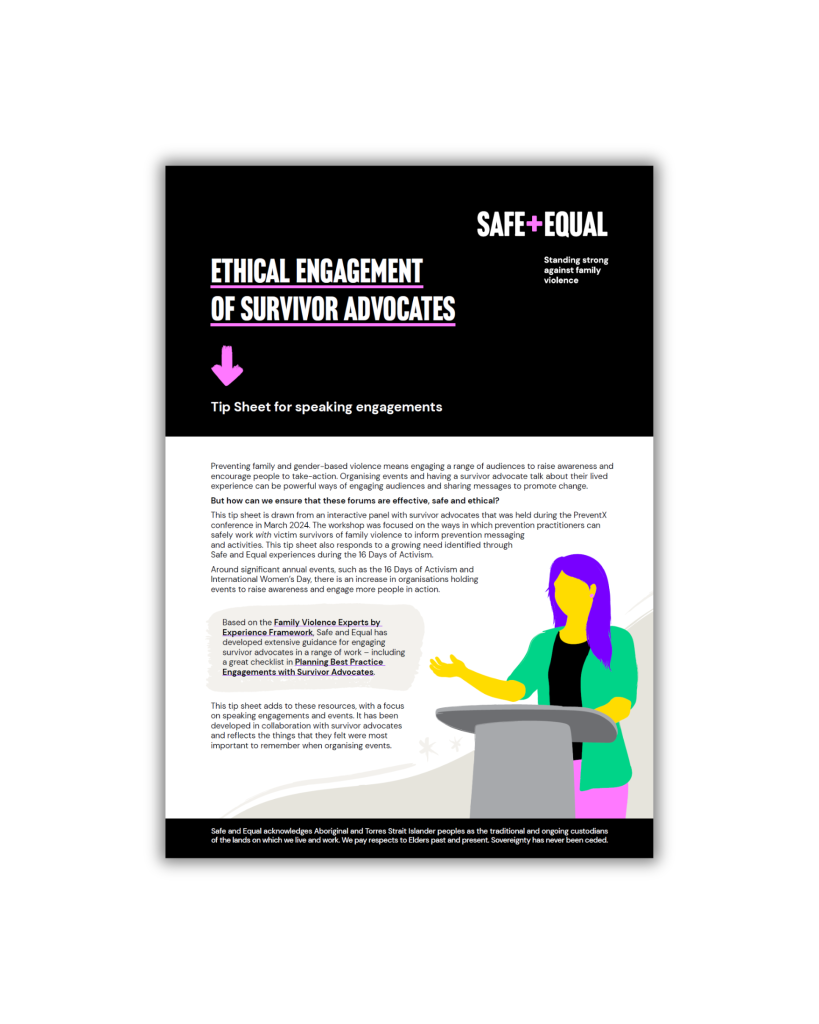
Organising events and having a survivor advocate talk about their lived experience can be powerful ways of engaging audiences and sharing messages to promote change. But how can we ensure that these forums are effective, safe and ethical?
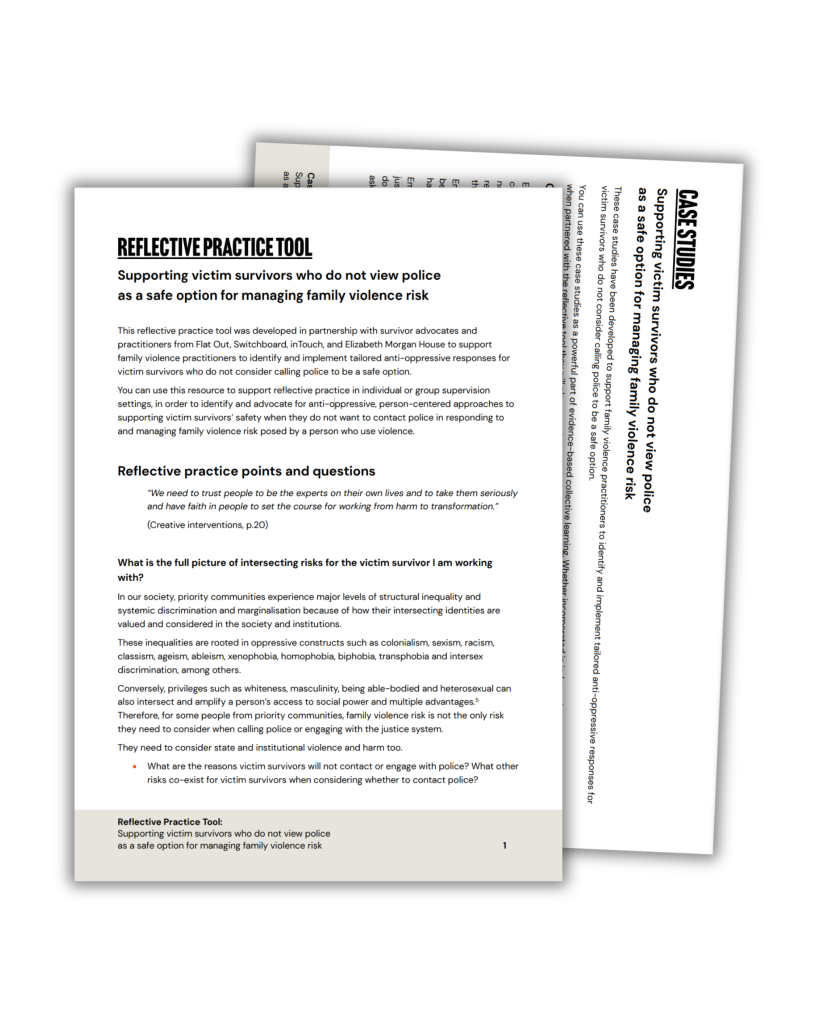
This reflective practice tool and these case studies were developed in partnership with survivor advocates and practitioners from Flat Out, Switchboard, inTouch, and Elizabeth Morgan House to support family violence practitioners to identify and implement tailored anti-oppressive responses for victim survivors who do not consider calling police to be a safe option.
Aboriginal and Torres Strait Islander people have the right to access culturally responsive, inclusive, and equitable family violence support, no matter what kind of service they go to. It is crucial that non-Aboriginal family violence services uphold Aboriginal and Torres Strait Islander people’s rights to self-determination, choice, and safety.

This issues paper seeks to build on the findings of the Family Violence Experts by Experience Framework research to define and explore different sources of lived experience which inform the work of the family violence sector.
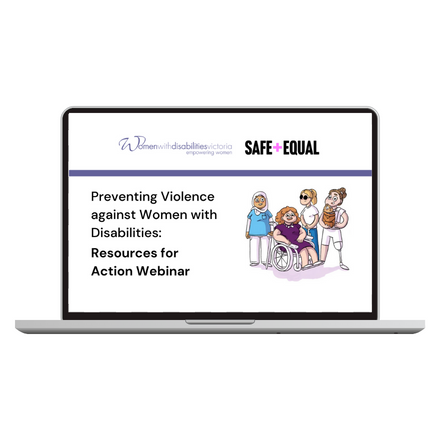
On Wednesday 22 June 2022, Safe and Equal and Women with Disabilities Victoria (WDV) are co-hosting a webinar to showcase some of the ground-breaking resources WDV has developed in the prevention of violence against women space.
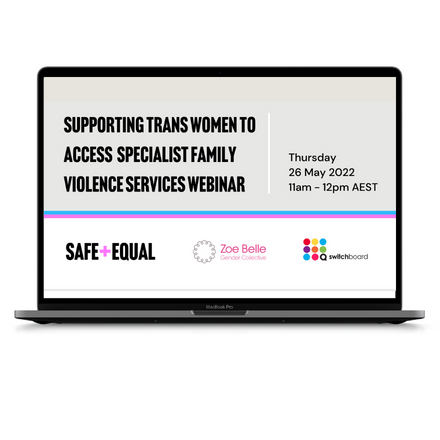
On Thursday 26 May, in recognition of the national day for the prevention of LGBTIQ+ family violence, we joined with Zoe Belle Gender Collective and Switchboard for a webinar centring on the voices of trans women of colour.

Our organisation works with survivor advocates in line with the Family Violence Experts by Experience Framework, please complete our request form to engage survivor advocates.
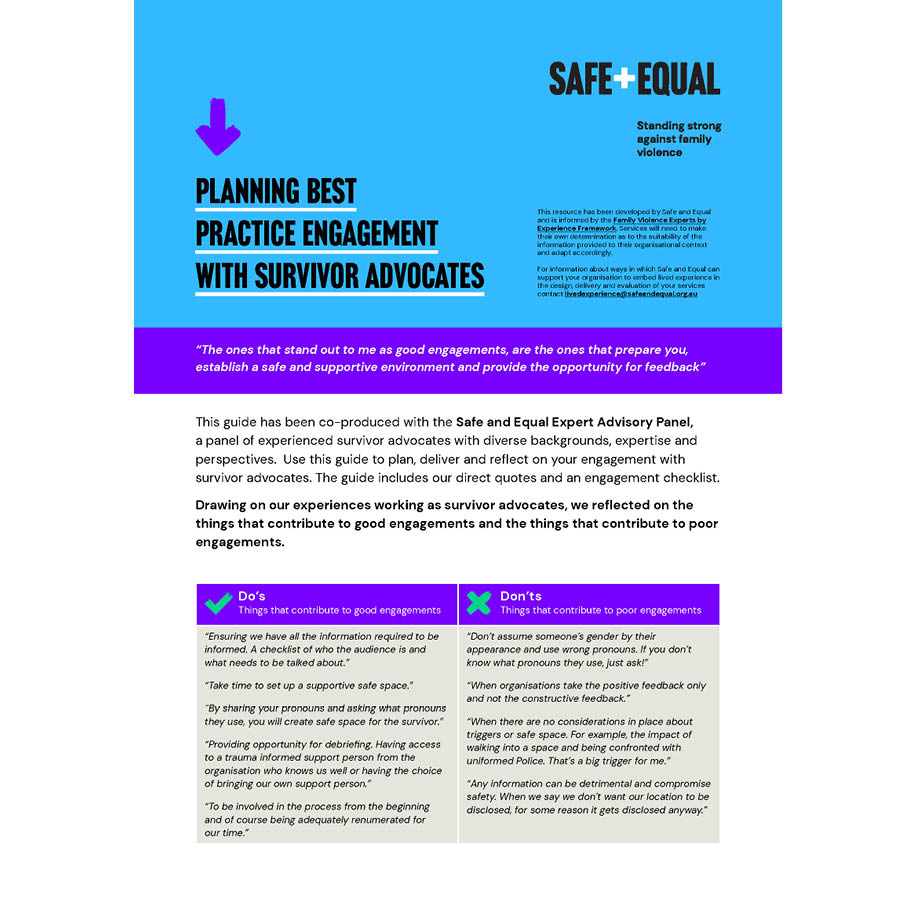
This guide has been co-produced with the Safe and Equal Expert Advisory Panel for organisations and services to plan, deliver and reflect on your engagement with survivor advocates.
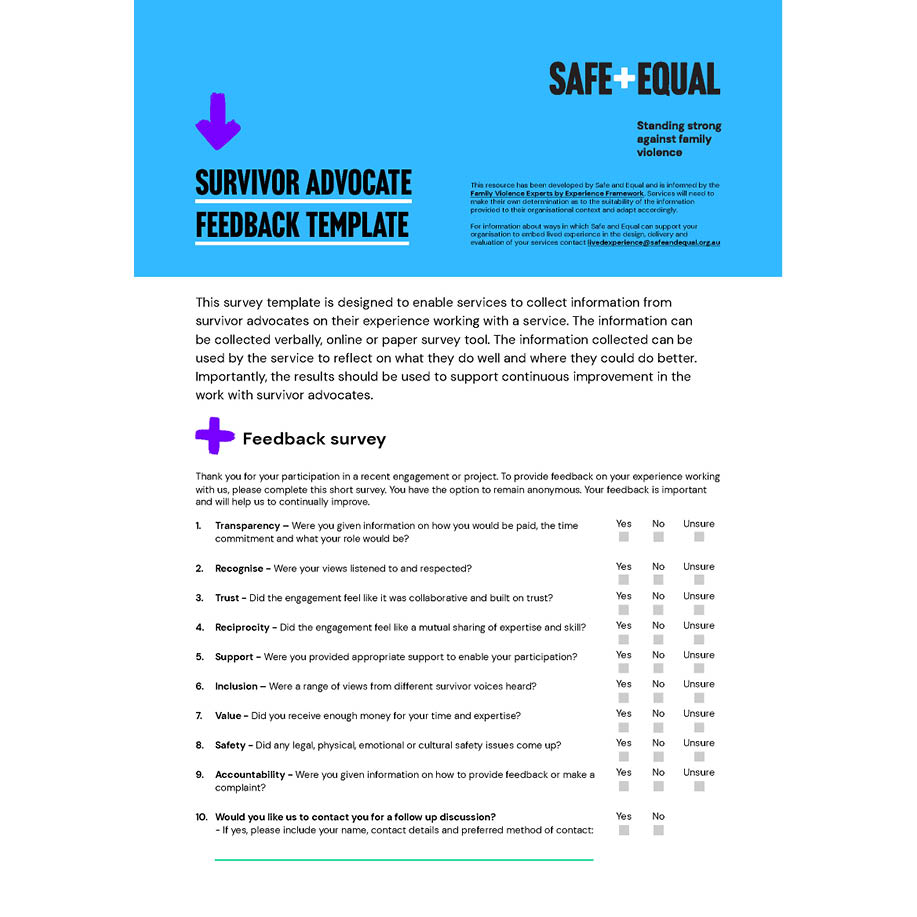
This survey template is designed to enable services to collect information from survivor advocates on their experience working with a service.
BACK TO TOP
Organising events and having a survivor advocate talk about their lived experience can be powerful ways of engaging audiences and sharing messages to promote change. But how can we ensure that these forums are effective, safe and ethical?
This reflective practice tool and these case studies were developed in partnership with survivor advocates and practitioners from Flat Out, Switchboard, inTouch, and Elizabeth Morgan House to support family violence practitioners to identify and implement tailored anti-oppressive responses for victim survivors who do not consider calling police to be a safe option.
Aboriginal and Torres Strait Islander people have the right to access culturally responsive, inclusive, and equitable family violence support, no matter what kind of service they go to. It is crucial that non-Aboriginal family violence services uphold Aboriginal and Torres Strait Islander people’s rights to self-determination, choice, and safety.
This issues paper seeks to build on the findings of the Family Violence Experts by Experience Framework research to define and explore different sources of lived experience which inform the work of the family violence sector.