
RESOURCE
LIBRARY

FILTER
RESOURCES
FILTER
RESOURCES
FILTER RESOURCES
Select multiple to filter
Search results
Browse our library of resources and publications, developed by Safe and Equal in partnership with organisations from across the sector. This library is sorted by the date that the resource was added to the library.
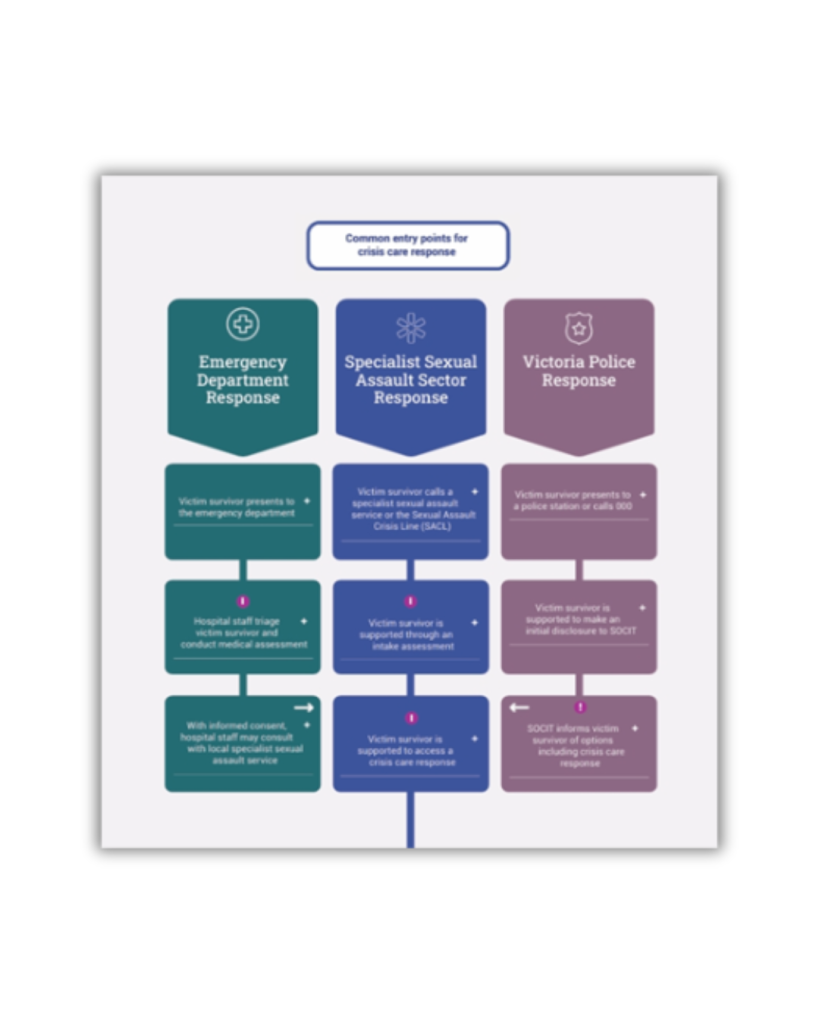
In 2024, SASVic and Safe and Equal partnered to strengthen collaboration between the sexual assault and family violence sectors. Together, we created a range of resources to support our work, including fact sheets and an interactive tool that demonstrate pathways and points of intersection in the two sectors.
Informed by survivor advocates, Together for Better shares practical reflections and recommendations for ethically embedding lived experience. Drawing on over five years of learning, it recognises survivor advocacy as a distinct discipline and supports organisations to move beyond tokenism toward accountable, relational practice and genuine power sharing.
The purpose of this resource is to share existing approaches to partnership to advance this work in primary prevention and to share experiences about how to build equity in such partnerships.
Informed by insights from lived experience advocates, this resource supports specialist family violence practitioners to strengthen their capacity to provide effective advocacy and support to misidentified victim survivors, deepen their understanding of misidentification and its impacts and address and mitigate the impacts of misidentification on victim survivors and their families.
This webinar brought together leaders from the specialist family violence response sector to explore what effective supervision looks like in practice.
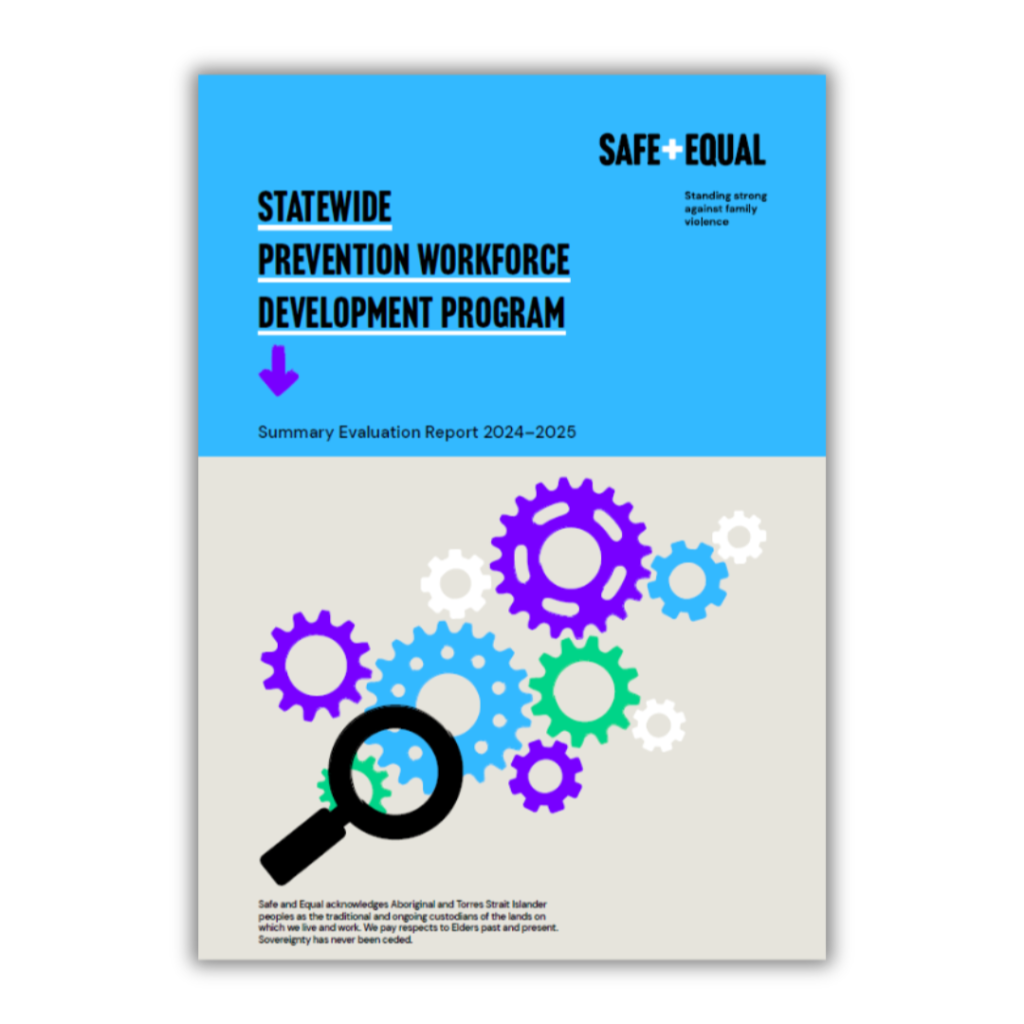
This report is a summary of evaluation of the Statewide Prevention Workforce Development program in 2024-2025.
This video tells the story of a partnership between Djirra, Elizabeth Morgan House and Safe and Equal. It’s shared to contribute to the growing evidence base on equitable partnership approaches between Aboriginal and non-Aboriginal organisations, with the hope that it may inform future partnership practices across the family violence sector.
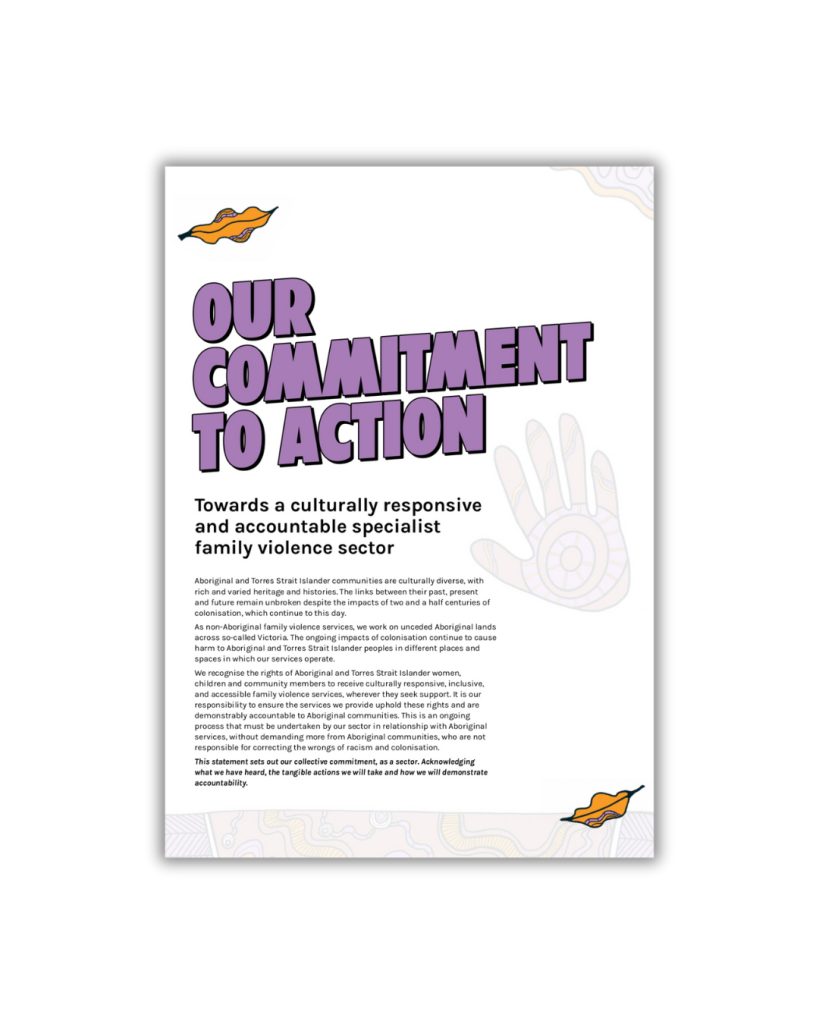
This statement sets out non-Aboriginal family violence services collective commitment, as a family violence sector. Acknowledging what we have heard, the tangible actions we will take and how we will demonstrate accountability to Aboriginal and Torres Strait Islander communities.
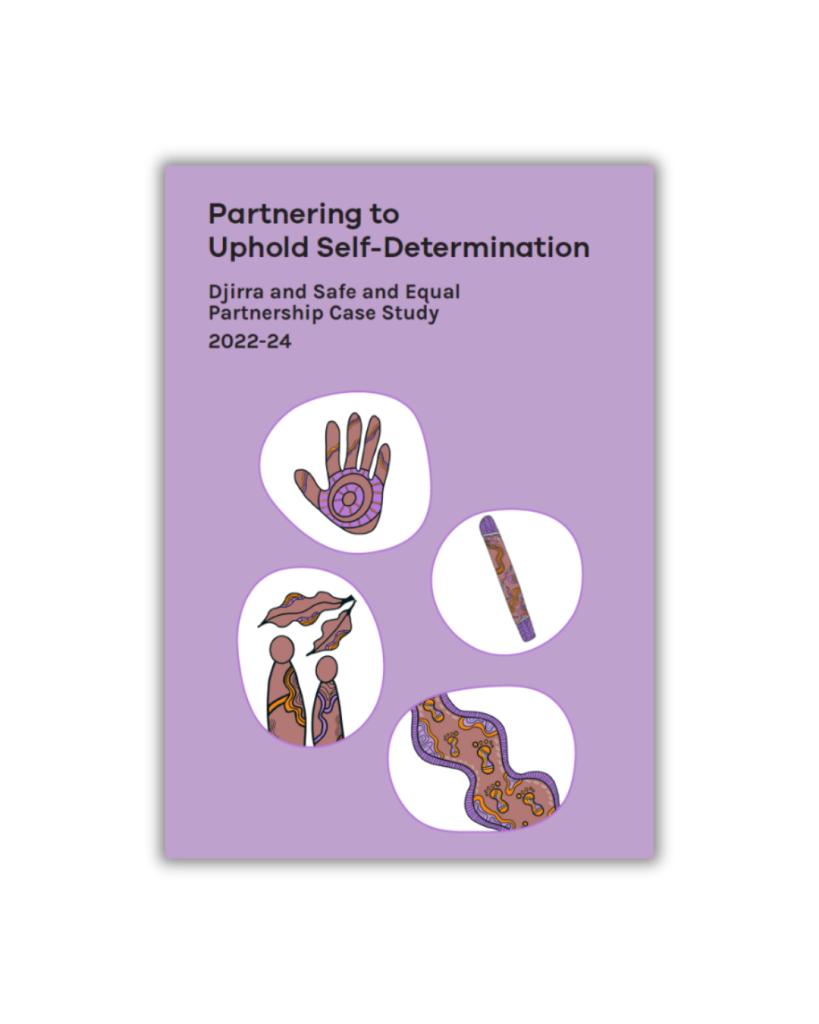
This resource has been developed as part in partnership between Djirra and Safe and Equal. It tells the stories and shares processes and learnings developed through the first stage of the partnership across 2022-2024.
BACK TO TOP
This resource shares insights and practical tips from PreventX 2026’s Stories for Change conference. It highlights how ethical, intentional storytelling can strengthen primary prevention practice and support long-term systems change.
In partnership with the Zoe Belle Gender Collective, Safe and Equal launched the first resource in the Risk in Context series – a practice guide supporting practitioners to work more effectively with trans and gender diverse communities.
Taking action against the drivers of family and gender-based violence has to be based on understanding the social conditions that predict and drive this violence. This animation is a new and engaging resource to engage your audience in conversations about what can be done to prevent family and gender-based violence.
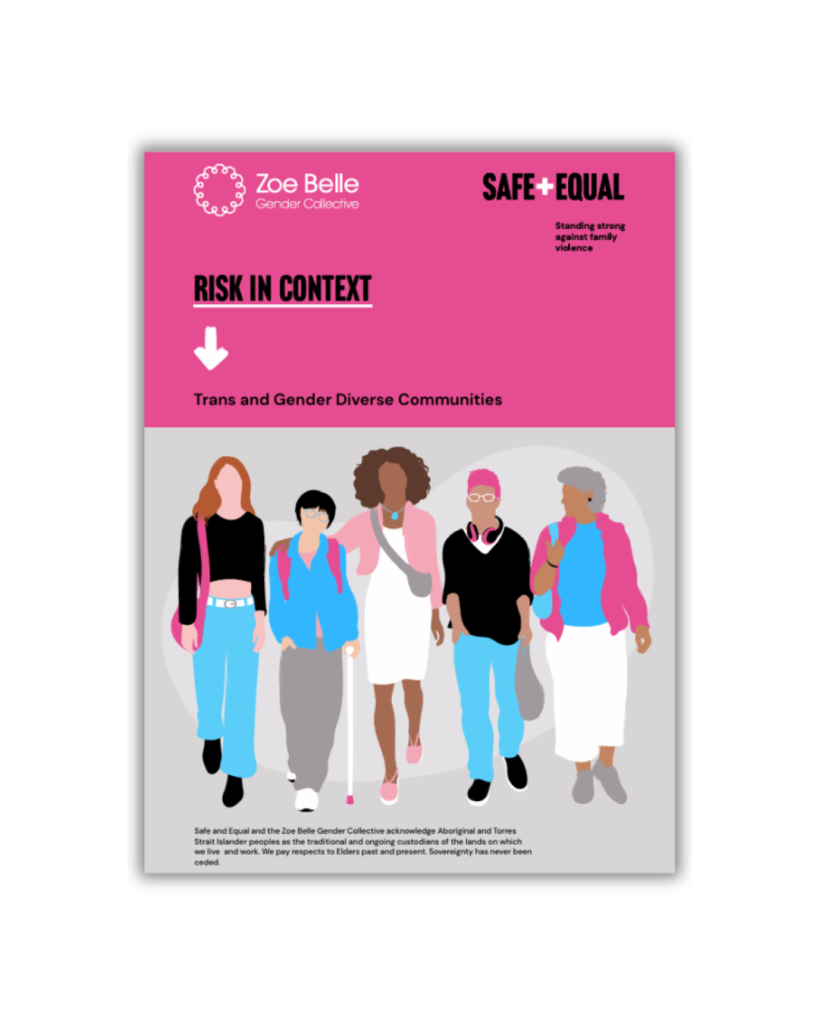
The Risk in Context series supports practitioners to apply an intersectional lens when undertaking MARAM risk assessment. This guide centres the lived experience of trans and gender diverse (TGD) victim survivors; providing practitioners with insights, research and guiding practice questions to deepen understanding, enhance their practice, and strengthen family violence risk assessment practice with the TGD community.